
Lighting Installation & Maintenance Troubleshooting: Fix Common Issues with Designer Lamps in 2026
Last updated: June 2026 | By minihouzz
Your designer lighting fixtures are an investment in your home’s beauty and ambiance. But when a pendant light won’t hang straight, a chandelier flickers, or a wall sconce won’t turn on, it can feel like a major disappointment. The good news? Most lighting issues have straightforward solutions that any DIY enthusiast can handle.
In this comprehensive troubleshooting guide from minihouzz, we’ll walk you through the most common problems homeowners face with designer lamps, chandeliers, and sconces — and show you exactly how to fix them.
💡 Problem 1: Flickering Pendant Lights
A flickering pendant light is not just annoying — it can indicate an electrical issue that needs attention.
Common Causes
- Loose bulb connection: The bulb isn’t fully screwed in
- Dimmer incompatibility: Many LED bulbs require specific dimmer switches
- Loose wiring: Wire connections at the fixture or junction box may be loose
- Voltage fluctuations: Other appliances on the same circuit can cause fluctuations
Solution Steps
- Tighten the bulb — this solves 50% of flickering issues
- Replace the bulb with a known-working one
- Check if the flickering stops when you remove the dimmer
- If using a dimmer, verify it’s rated for LED bulbs
If you’re in the market for a new pendant light, the Ricko Ceiling Lamp is an excellent choice, featuring a high-quality LED-compatible socket that minimizes flicker.
🏗️ Problem 2: Chandelier Hanging Unevenly
A chandelier that hangs crooked is a common frustration, especially with multi-tier designs.
Common Causes
- Uneven ceiling: The ceiling mount point isn’t level
- Chain adjustment: Multiple chains have different lengths
- Weight distribution: The chandelier’s weight isn’t evenly distributed
- Improper installation: The mounting bracket isn’t level
Solution Steps
- Adjust the chain links — count each chain’s links to ensure they’re equal
- Use a level on the mounting bracket — mark and adjust if needed
- Check the canopy to ensure it’s flush against the ceiling
- For multi-tier designs, adjust each tier’s chain separately
The Ultra Mariner Pendant Light features a balanced multi-arm design that makes leveling easier than traditional chandeliers.
🔊 Problem 3: Buzzing or Humming from Ceiling Fixtures
That low hum or buzz from your ceiling light is irritating and often preventable.
Common Causes
- Dimmer switch issues: Leading-edge dimmers often buzz with LED bulbs
- Loose transformer: The fixture’s internal driver may be vibrating
- Low-quality LED driver: Cheap drivers produce audible noise
- Fluorescent ballasts: Older fixtures with ballasts can hum
Solution Steps
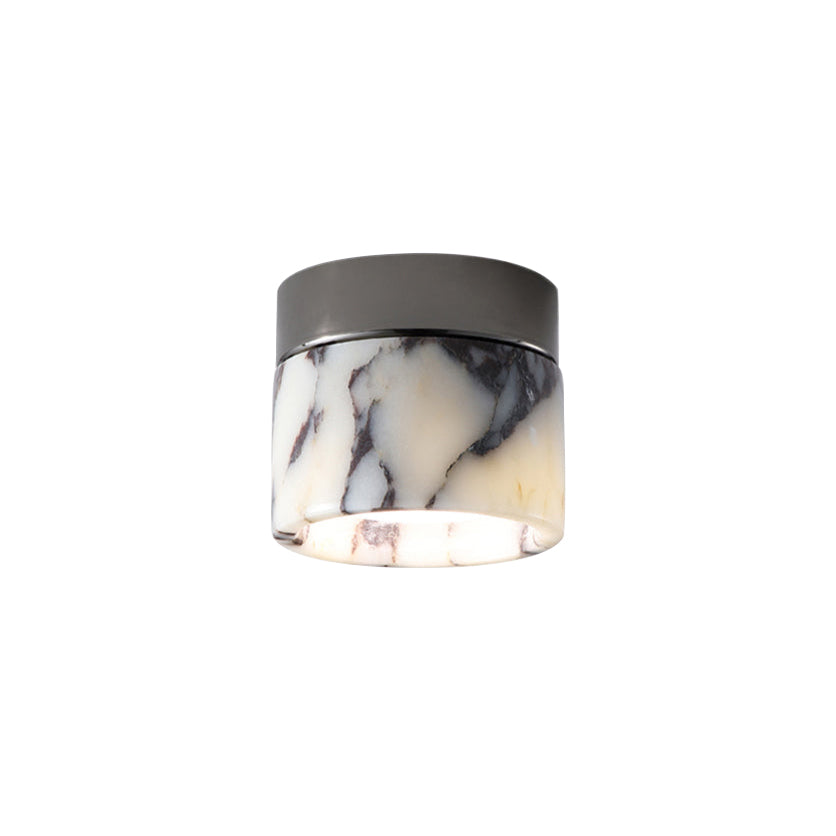
Replace the dimmer with a trailing-edge LED-compatible dimmer. If the fixture has an internal driver, check that it’s securely mounted. High-quality fixtures like the Marble Round Ceiling Lamp use premium drivers that operate silently.
🔌 Problem 4: Wall Sconce Won’t Turn On
A wall sconce that doesn’t illuminate can be diagnosed with a few simple checks.
Quick Checklist
- Check the circuit breaker — a tripped breaker is the #1 cause
- Test the bulb in another working fixture
- Verify the wall switch is functioning (listen for a click)
- Check wire connections at the sconce’s junction box
- Inspect the pull chain if the sconce has one
The Orli Cyan Jade Sconce features a straightforward wiring design that simplifies installation and reduces the chance of connection issues.
🌡️ Problem 5: LED Bulbs Overheating in Enclosed Fixtures
LED bulbs generate heat, and in enclosed fixtures, that heat can build up and cause premature failure.
Common Causes
- Trapped heat: No ventilation in enclosed fixtures
- Bulb mismatch: Using non-enclosed-rated bulbs in enclosed fixtures
- Over-wattage: Using bulbs with higher wattage than the fixture supports
Solution Steps
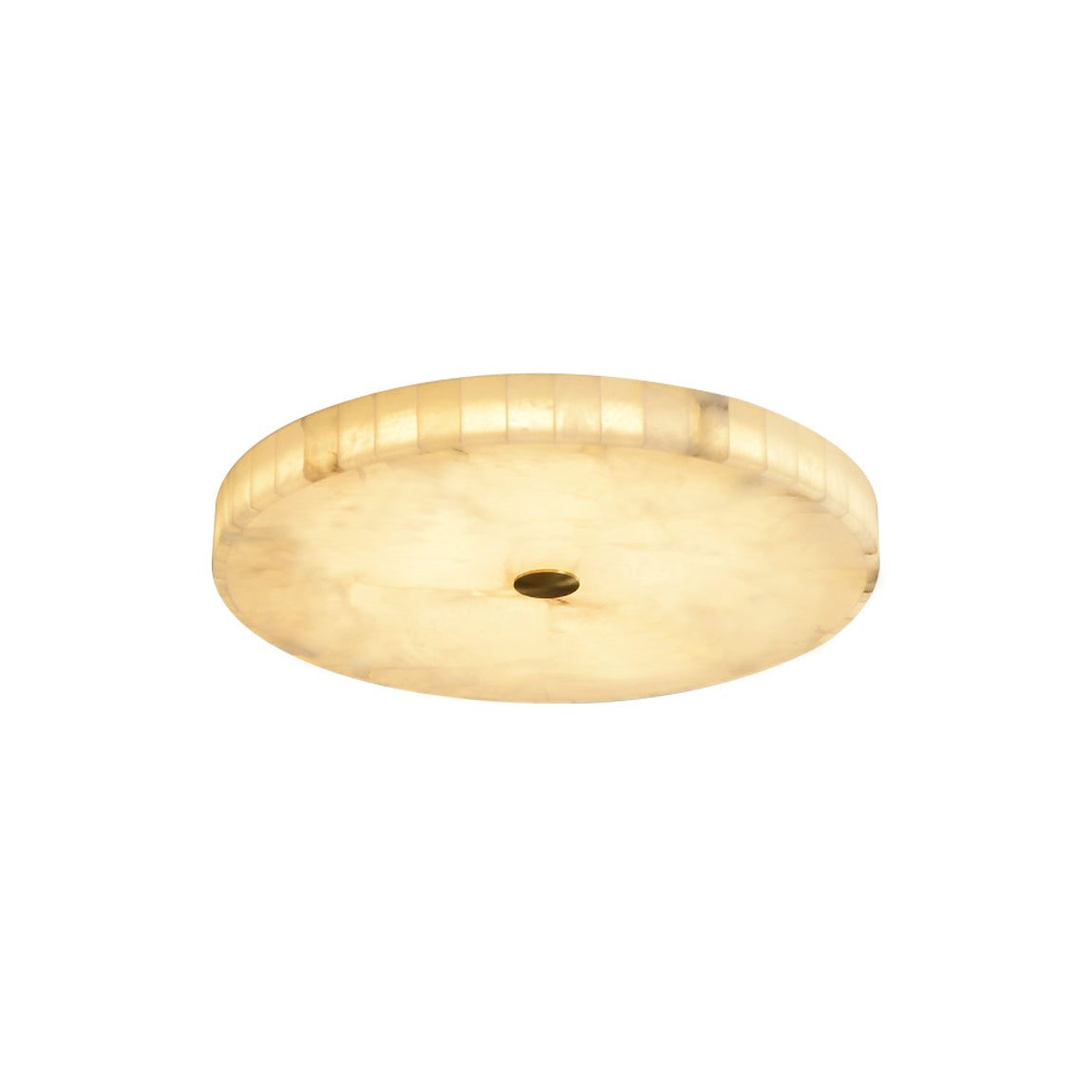
Always check that your bulb is rated for enclosed fixtures. The Round Mosaic Alabaster Ceiling Lamp design naturally dissipates heat through its open metal frame — ideal for LED bulbs.
🎨 Problem 6: Color Temperature Mismatch in Multi-Fixture Rooms
When multiple fixtures in the same room have different color temperatures, the result is visually jarring.
Common Causes
- Different purchase batches: LED color can vary between production runs
- Mixed brands: Different brands interpret color temperatures differently
- Degradation over time: Older bulbs may have shifted color
Solution Steps
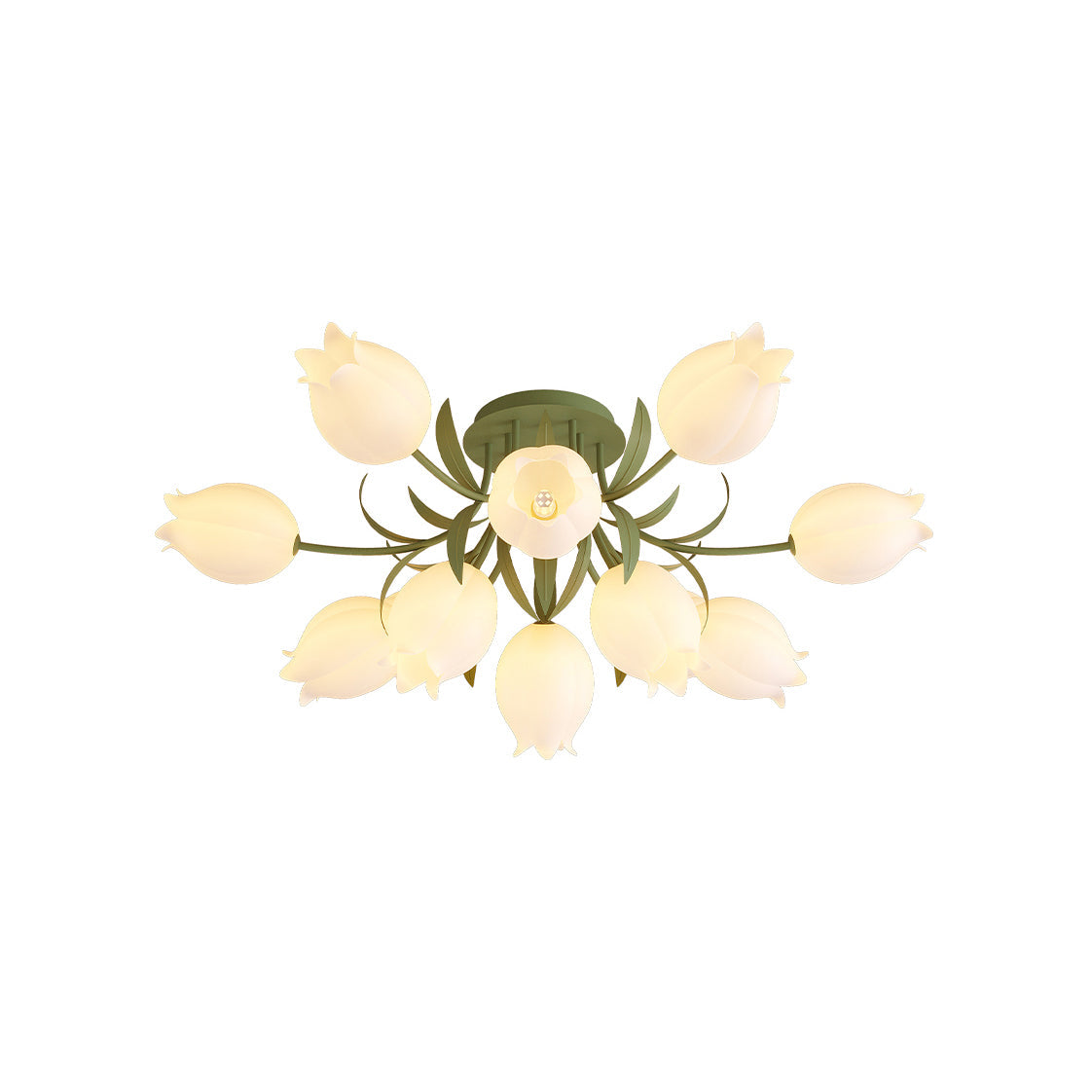
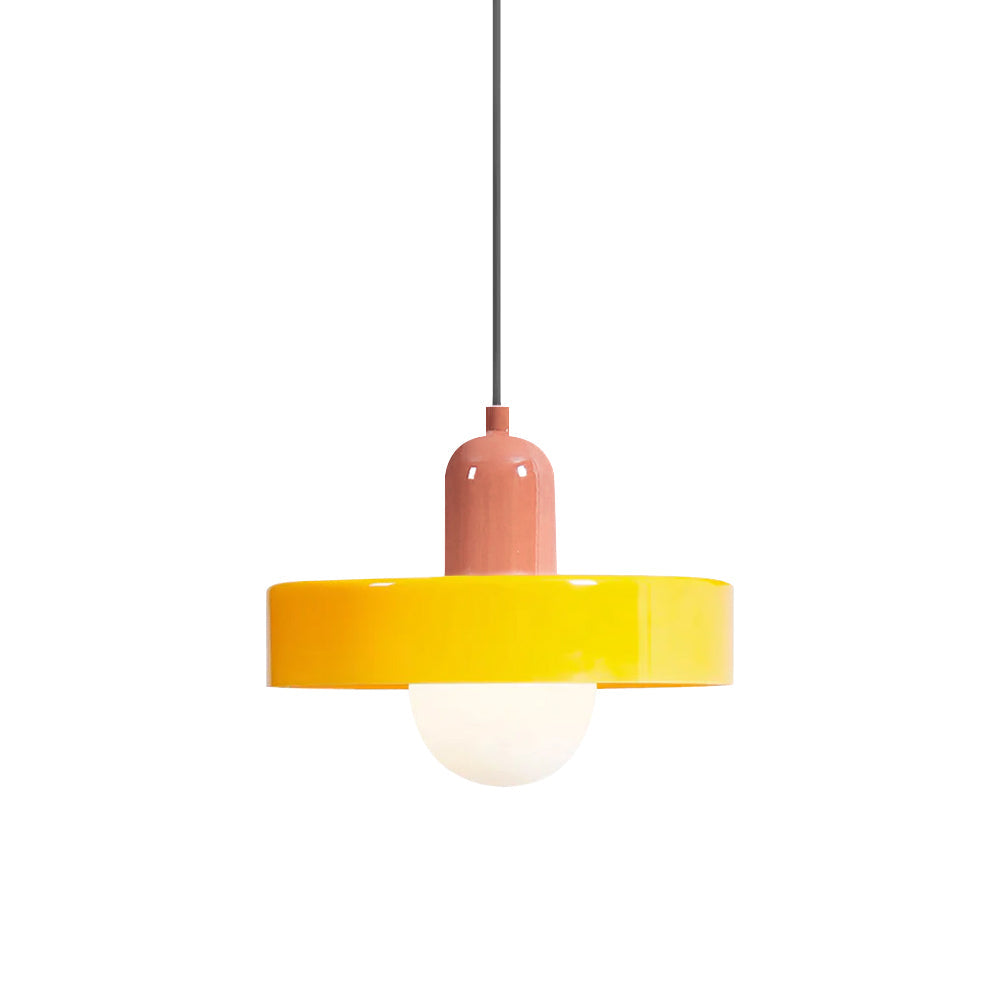
The simplest fix is to replace all bulbs in the same room at the same time with matched-color bulbs. For hardwired fixtures with integrated LEDs, choose units from the same collection — like the Disc Orb Pendant Lamp and Cecil Chandelier from minihouzz’s designer lineup.
🛒 Recommended Products from minihouzz
- Round Mosaic Alabaster Ceiling Lamp — Open-frame design for optimal heat dissipation
- Ricko Ceiling Lamp — Flicker-free pendant with quality socket
- Ultra Mariner Pendant Light — Easy-to-level multi-arm chandelier
- Marble Round Ceiling Lamp — Silent driver ceiling light
- Orli Cyan Jade Sconce — Hassle-free wall sconce installation
- Disc Orb Pendant Lamp — Quality ceiling fixture with stable LED
- Cecil Chandelier — Matching collection for consistent lighting
❓ Frequently Asked Questions
Q: Can I install a pendant light on a sloped ceiling?
A: Yes, but you’ll need a sloped-ceiling adapter kit. Most pendant lights at minihouzz can be adapted with the proper mounting hardware. The canopy should be rated for the slope angle of your ceiling.
Q: Why does my LED chandelier flicker on a dimmer switch?
A: This is almost always an incompatibility between the dimmer and the LED driver. Older dimmers designed for incandescent bulbs use leading-edge technology that doesn’t work well with LEDs. Replace your dimmer with a trailing-edge LED-compatible model for smooth, flicker-free dimming.
Q: How do I clean my designer chandelier without damaging it?
A: Use a soft, lint-free microfiber cloth and a gentle cleaning solution of water with a drop of mild dish soap. Never use abrasive cleaners or spray directly onto the fixture — spray the cloth instead. For crystal chandeliers, use a solution of water and isopropyl alcohol (50:50) for streak-free shine.
Q: What size pendant light do I need for my kitchen island?
A: A good rule of thumb is to choose a pendant that’s one-third to one-half the width of your island. Hang pendants 30-36 inches above the countertop. For islands under 6 feet, one or two pendants work well. For islands over 6 feet, consider three pendants spaced evenly.
Q: How often should I replace bulbs in my designer fixtures?
A: LED bulbs typically last 15,000-50,000 hours depending on quality. That translates to 10-25 years of normal use. If you notice flickering, dimming, or color shift, replace the bulb. For fixtures with integrated LEDs, the entire fixture may need replacement after 10-15 years.
Q: Is it safe to install my own chandelier?
A: If you have basic electrical knowledge and the necessary tools (voltage tester, wire strippers, screwdrivers), installing a chandelier is a DIY-friendly project. However, if the fixture is heavy (over 50 lbs) or requires new wiring, we recommend professional installation. Always turn off power at the breaker before starting.
About minihouzz
minihouzz curates a stunning collection of designer lighting fixtures — from pendant lights and chandeliers to wall sconces and ceiling lamps. Visit minihouzz.com to explore our full range and find the perfect lighting for your home.