

Designer Lighting Style Guide
Introduction
Great lighting design isn’t about fixtures — it’s about layering. Professional interior designers use three types of lighting to create spaces that are functional, beautiful, and inviting: ambient, task, and accent. In this guide from minihouzz, you’ll learn how to master layered lighting like a pro.
1. 💡 Ambient Lighting
The base layer that provides overall illumination. Chandeliers, ceiling mounts, and recessed lights are common ambient sources. Choose warm 2700-3000K for cozy spaces and neutral 3500-4000K for functional areas.
2. 📖 Task Lighting
Focused light for specific activities like reading, cooking, or working. Pendant lights, under-cabinet lights, and desk lamps belong to this category.
3. 🎨 Accent Lighting
Dramatic light that highlights artwork, architectural features, or decor. Wall sconces, track lights, and picture lights create depth and visual interest.
4. 🏠 Room-by-Room Layering Guide
Living Room: Chandelier (ambient) + Floor lamp (task) + Wall sconces (accent)
Kitchen: Ceiling lights (ambient) + Under-cabinet (task) + Pendants (accent)
Bedroom: Flush mount (ambient) + Bedside lamps (task) + Sconces (accent)
❓ FAQ
Q: How many light sources per room?
A: Aim for at least three independent light sources per room. This creates depth and flexibility.
Q: What’s the best dimmer for LED lights?
A: Choose dimmers specifically rated for LED loads. Standard incandescent dimmers can cause flickering with LED bulbs.
About minihouzz
Discover designer lighting at minihouzz.com.
Featured Designer Lighting
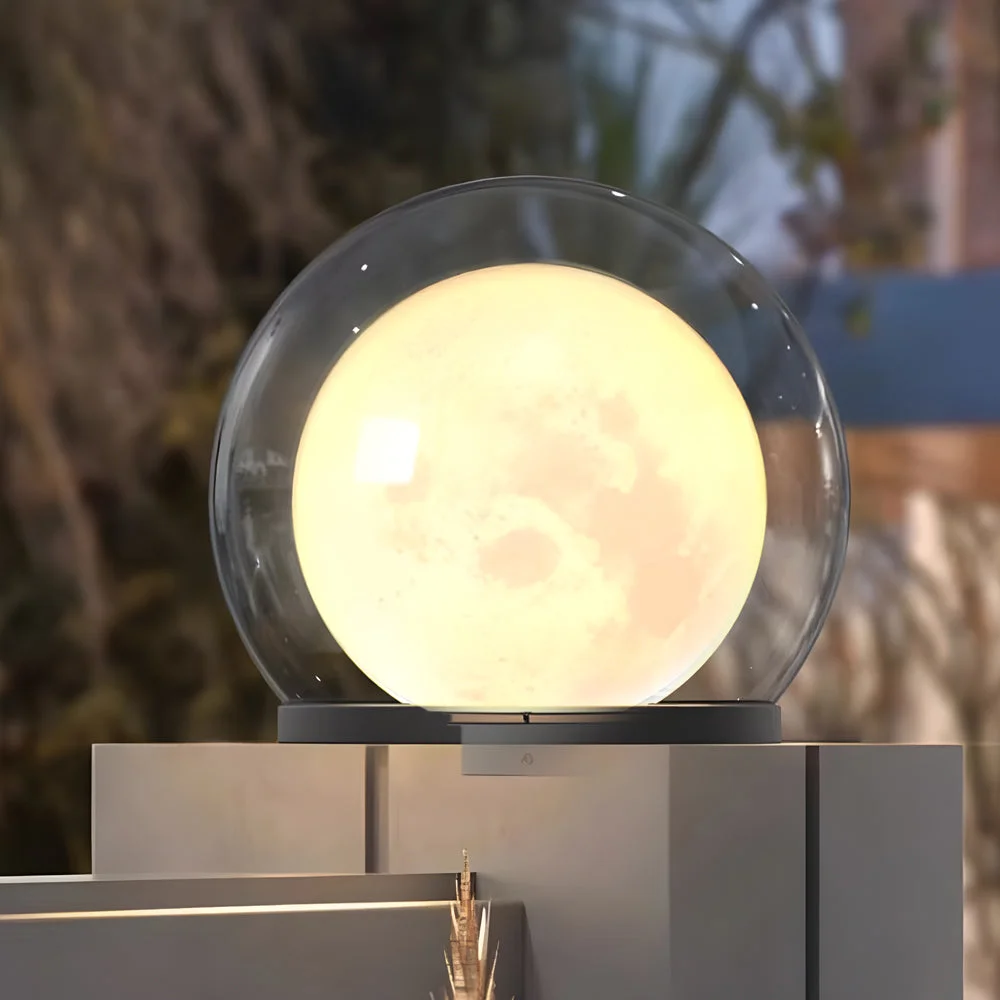
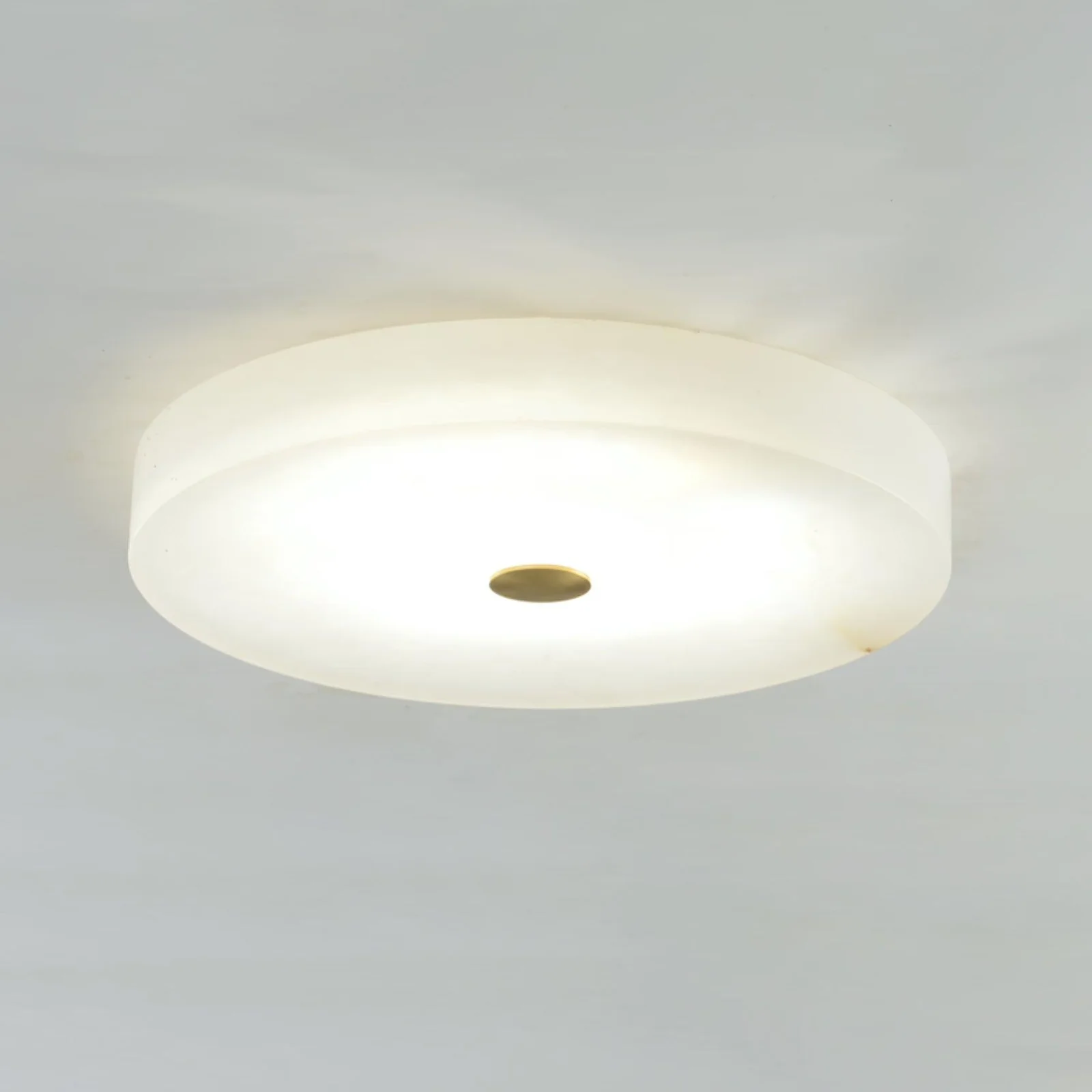
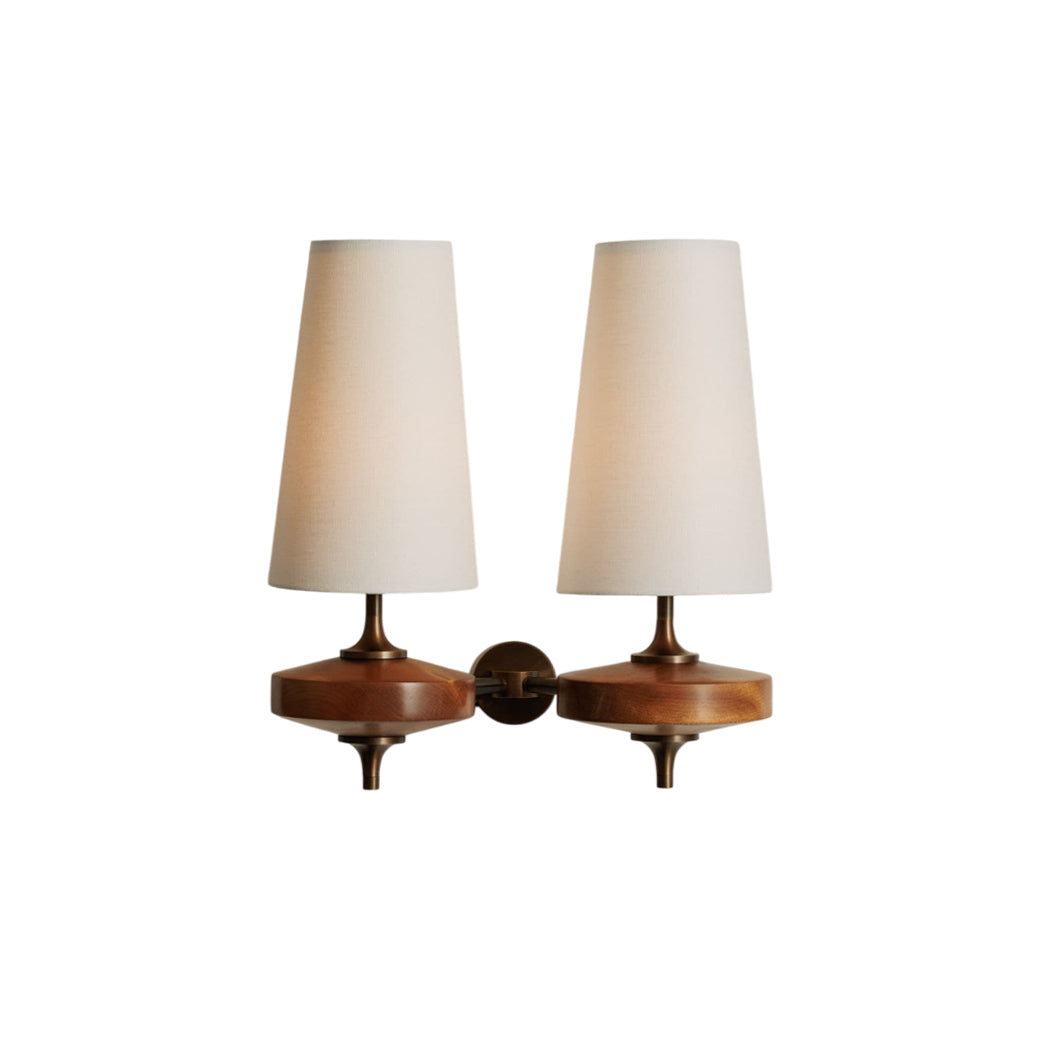
Botanical Wall Sconce with Wood and Fabric Shade for Bedroom and Hallway
Brand: MINIHOUZZ Organic Botanical Wall Lamp Inspired by botanical forms, this wall light …